Internal Family Systems (IFS)
What is Internal Family Systems (IFS)?
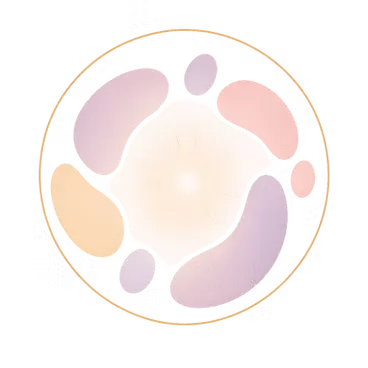
Internal Family Systems (IFS), developed by Richard Schwartz, is an approach to therapy that understands the mind as made up of different “parts,” each with its own role, perspective, and way of responding. A central idea in IFS is that there are no bad parts. Even when a pattern feels unhelpful or overwhelming, it is understood as having a protective intention.
Managers and Firefighters
Some parts work proactively to keep things stable, often called “managers,” and may show up as perfectionism, overthinking, or staying busy. Others respond more reactively when something feels too much, often called “firefighters,” and may show up as shutting down, numbing, scrolling, or seeking quick relief in the moment.
The Self
Alongside these parts, IFS describes a steady, grounded aspect of you, often referred to as the “Self,” sometimes described as being like the sun behind clouds, still present even when it is not always felt. The Self can be understood as the natural internal leader, able to relate to your parts with clarity, curiosity, and care.
How this shows up in therapy
In therapy, we don't create this Self, but develop access to it. As your parts begin to feel understood rather than judged or pushed away, they can soften or step back, allowing this natural internal leadership to emerge. From here, there is often more balance, more choice in how you respond, and a different way of relating to yourself and your experience over time. This way of working is woven into how we approach sessions together, creating space to explore your inner world with curiosity and care. If you'd like to explore whether this way of working might be supportive for you, you're welcome to get in touch.